remote patient monitoring

AI-driven tools such as Cherish's device allow aging patients and those with cognitive decline to remain in their homes with ambient monitoring that requires no wearables or apps, says Sumit Nagpal, Cherish CEO and founder.

Proactive monitoring via wearables and at-home care can keep patients healthier longer, reducing inpatient stays and strengthening health outcomes by detecting anomalies earlier, explains Hal Wolf, HIMSS president and CEO.
Sutter Health's Dr. Richard Milani and Epic's Trevor Berceau talk about Sutter's chronic care program, which integrates readings from remote monitoring devices into the EHR to give doctors continuous insight into patients' conditions.
Sallie Gustafson, Murj's director of medical affairs, says Emory used smart remote monitoring technology that integrates with EHR systems to increase billable remote cardiac services by 52% despite minimal patient growth.
According to Sallie Gustafson, RN, Murj’s director of medical affairs, strict CMS billing rules may negatively impact practices’ recurring revenue from their remote cardiac monitoring services.

Sukrti Nagpal, deputy chief medical officer of virtual care provider Doccla, and Yosef Safi Harb, founder and CEO of health monitoring company Happitech, discuss how the companies are working together to help patients at home and physicians.
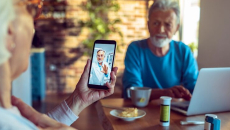
Evinova's digital platform will give study sites the ability to monitor patients enrolled in Quantum Leap's clinical trial for interstitial lung disease.

The company will use the funds to accelerate commercial expansion of its ANNE One medical wearable in the United States and Europe.
The chronic care management and remote patient monitoring company will be led by veteran healthcare executive Asif Ahmad.
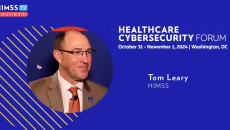
It's important that Congress take action on the telehealth and remote patient monitoring extensions from the pandemic that officially expire on December 31, says Tom Leary, senior vice president and head of government relations at HIMSS.