Asia
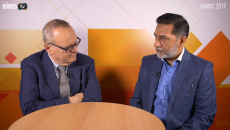
The government in Pakistan is beginning to see the need for patient-centric technology, which has been one of the biggest challenges to digital health progress in the region says Dr. Zakiuddin Ahmed, CEO of Digital Care.
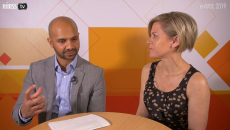
Health Informatics Society of Australia CEO Louise Schaper says even though the manifestation of digital health issues locally may differ, there are plenty of opportunities to share learnings from matters such as workforce.

Hospitals only have seconds to respond using defensive AI to recognize algorithm transformations taking place is suspected malware, says Cylera Chief Security Strategist Richard Staynings.
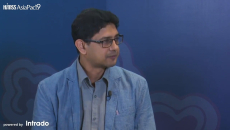
Hemas Holdings' healthcare vertical is eyeing improved patient experience, consumer digital health and an IT overhaul for its businesses, explains Chandima Cooray, chief digital officer at the conglomerate.

The NHS can learn from Middle East experiences with personal health records and health information exchange, says Sam Shah, digital health advisor and former NHSX director of digital development.

Grahame Grieve, FHIR product director for HL7 International, says not only is FHIR a standard for exchanging healthcare data, but it is also a community of people who aims to create a "public treasure" that we all own.
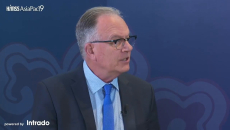
Peter Faulkner, CEO of Bendigo Health, says increased demand is changing the business of hospital management; tech advances around supply chain and machine learning can help.

AsiaPac19 award winners for EMRAM, the best IT solutions and innovation discuss what the recognition means to them and the larger mission of healthcare transformation of the region.

HIMSS President and CEO Hal Wolf says using AI infused into clinical decision support can provide healthcare professionals and patients with the information pathways and treatment plans to enable better care outcomes.
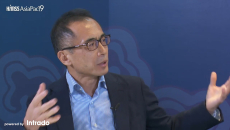
Shinji Yamamoto, director of the St. Marianna University School of Medicine in Japan, says he used a "go slow, but go steady" strategy to overcome resistance to moving from paper to digital systems.