EMEA
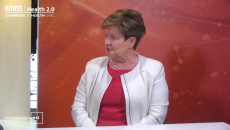
Kaija Saranto, professor in Health and Human Services Informatics at the University of Eastern Finland, says it's crucial to ensure that the workforce is involved in the design process if you want to develop an effective digital health system.
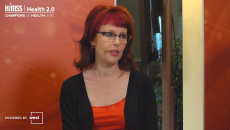
Victoria Betton, mHabitat founder and director and HIMSS UK Advisory Council member, says two benefits of using digital tools to help improve people's mental well-being are anonymity and remote access.
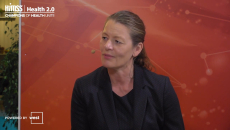
Norway is using lessons from oil and gas industry successes along with the country's pioneering culture to fuel the drive to maximize the healthcare system's potential, Norway Health Tech CEO Kathrine Myhre, winner of the HIMSS Europe Future50 award.
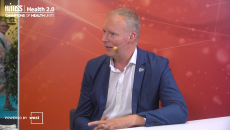
Kalle Killar, deputy secretary general at the Ministry of Social Affairs in Estonia, says that nearly 20% of the country's citizens are gene donors, giving it a very valuable asset for implementing precision medicine.
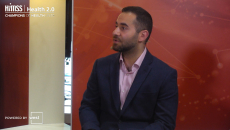
Blockchain technology can be a game-changer, but it’s still in its infancy, so manage expectations accordingly, says Dr. Abdullah Albeyatti, CEO and co-founder at Medicalchain.
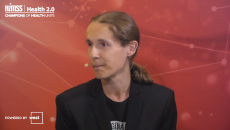
Petteri Kivimäki, CTO for Nordic Institute for Interoperability Solutions, says X-Road is being used by Finland and Estonia to enable the secure exchange of data, with opportunities to expand to the rest of Europe.
Mikko Vasama, general manager of Health Systems Nordics at Philips, says when working within a publicly funded healthcare system, training, education and access to technology for patients are imperative.
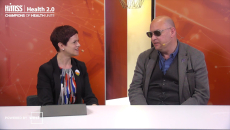
Nigel Hughes, scientific director at Janssen Clinical Innovation, says healthcare needs to focus on improving the speed to an answer without affecting the quality of the answer.

The Kotona At Home remote delivery care treatment center is a model of the future of digital healthcare.
Skolkovo includes startups with a mission to improve healthcare around the world, says Konstantin Parshin, vice president of the Skolkovo Foundation.