Global

Julia Strandberg, executive vice president and chief business leader of connected care at Royal Philips, told MobiHealthNews she anticipates continued mergers, partnerships and AI innovation in 2025.

The QRNT ring wearable includes health-tracking features and an app with no subscription costs.

Chief AI officers can help organizations address clinical issues, such as C. diff inspections and sepsis, and broader needs like scheduling, resources and improving the backend, says Zachary Durst, IT practice consultant at WittKieffer.

Some leaders say AI will improve a massively inefficient, overpriced and difficult-to-access healthcare system, while others anticipate AI’s potential for earlier, more accurate diagnosis.

Challenges exist with digitizing the health system in Pakistan, says Muhammad Babar, the Ministry of Health's management information systems officer. He discusses his HIMSS25 talk that will relay how the ministry is overcoming those barriers.

AI and genAI can reduce paperwork and errors by automating tasks prone to human error like data entry, clinical documentation and billing, says Aashima Gupta, Google Cloud's healthcare vertical lead.
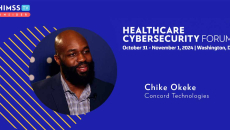
PHI is one of the most sensitive classes of data out there. It's important that the right security controls are in place to make sure those things stay where they need to be and don't get into the wrong hands, says Chike Okeke of Concord Technologies.

The integration can enhance workflow, reduce compliance risks and improve the experience for residents and families, says Will Cantrell, director of product solutions at InteliChart.

John Saran, a partner at Holland & Knight, says now that the election is over and uncertainty has been addressed, healthcare clients are generally optimistic and are anticipating a return to normal when it comes to deal making in 2025.