AI
From documenting bedside prayers to helping a hard-of-hearing nurse connect with patients, AI tools are revealing the importance of nurses' and patients' emotional and spiritual bonds to healing, says Mercy's Tracy Breece.
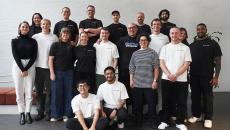
Lyrebird Health plans to scale its operation internationally, beginning in the United Kingdom.

NUS Medicine’s latest model has outperformed DNA-based biological ageing clocks and demonstrated a stronger capability to predict mortality.

According to Tony DiGiorgio, chief architect at Symplr, the company has carefully embedded AI into its operational platform to cut administrative redundancy and enable nurses to minimize the number of systems they use each day.

What they offer is not a passive but an active clinical assistant that thinks beyond consultation notes.

Also, radiology reporting solutions provider Kailo Medical has acquired a clinician-founded genAI company.
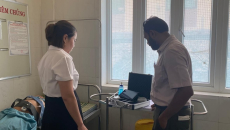
Also, VUNO has obtained regulatory clearance in South Korea for its AI-based screening solution for kidney failure.
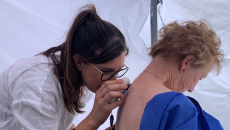
Trained on two million skin images, it can perform a range of clinical tasks unlike current models.

A global outage on Thursday disrupted a range of services, including several AI tools widely used in healthcare, such as Vertex AI, Dialogflow CX, Agent Assist and Contact Center AI.
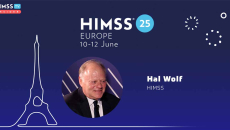
Through working with global leaders, educating its members and developing digital transformation tools for health systems, Hal Wolf, HIMSS president and CEO, says HIMSS encourages the ethical and practical integration of AI in healthcare.