Analytics
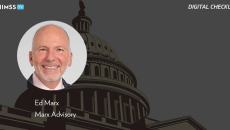
Government regulation can slow health systems' AI progress; Ed Marx, Marx Advisory CEO, says showing policymakers AI's real-world benefits in person can help them understand its value more than traditional lobbying.
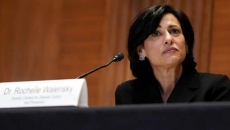
At Future of Health’s invitation-only event, former CDC Director Dr. Rochelle Walensky sat down with MobiHealthNews to discuss the potential and challenges of AI in healthcare.
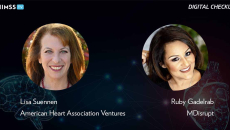
Lisa Suennen, managing partner at American Heart Association Ventures, and Ruby Gadelrab, CEO and founder of MDisrupt, explores next steps after AHA's $1 million milestone investment into MDisrupt, including plans to co-develop a platform.
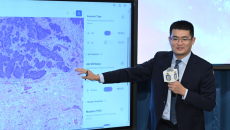
Trained on 500,000 pathology slides, the AI predicts cancer type, treatment response, and survival with over 95% accuracy within minutes.

PredicTx expands clinical trial from Australia to India and the Middle East while working towards TGA approval and CE marking.
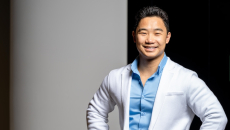
Care GP CEO Melvin Chen discusses how the company is rolling out its platform nationwide.
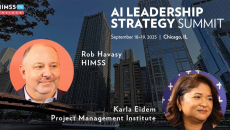
HIMSS' Rob Havasy and PMI's Karla Eidem predict that partnerships will be key around the world to making healthcare AI sustainable through sharing costs, resources and lessons learned.
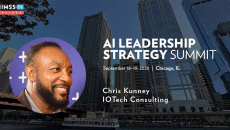
Chris Kunney of IOTech Consulting says that chief AI officers must unite clinicians, C-suite leaders, IT teams and frontline staff to understand and use AI to drive innovation and enhance care delivery.

Also, a startup from Melbourne has raised $1 million in pre-seed funding for its chemotherapy dosing AI.

VUNO, Kakao Healthcare, Skylabs, and Remidio advance into Europe with partnership deals and regulatory approvals for AI in cardiac, chronic, and eye care.