Analytics

MedGemma, built on Gemma 3, aims to help developers build AI-based healthcare applications with open models, including multimodal and text-only versions.

The AI-powered COPD care coordination tool uses EHR data and natural language processing to identify and manage high-risk patients.

AI-powered value-based behavioral health company Ontrak and generative AI radiology workflow company Rad AI also garnered investments.

Maharashtra University of Health Sciences will explore the application of Nihilent's Navarasa AI in mental health care.

This innovative approach, devised by the National Centre for Healthy Ageing, is expected to identify more people with dementia early.

The tech giant will offer access to the LLM for enterprise use as regulatory scrutiny mounts over the model’s data practices and medical diagnostic claims.
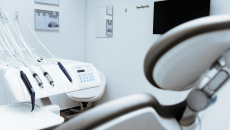
The new service at Prince Philip Dental Hospital is said to be the first of its kind in the world.

Also, Bangkok Hospital has started installing smart mirrors for contactless vital signs measurement.

Also, The Clinician's patient-reported measures platform is coming to Magentus' marketplace.

While AI can fix clinical documentation efficiency, traditional interventions such as improving culture can be another solution to physician burnout, says Dr. Anwar Jebran, medical director of population health informatics at Oak Street Health.