Business

In the third installment of this three-part series, clinical and IT leaders from the New Jersey health system discuss how its virtual acute care program is now enabling new innovations at its brick-and-mortar hospitals.
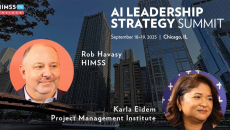
HIMSS' Rob Havasy and PMI's Karla Eidem predict that partnerships will be key around the world to making healthcare AI sustainable through sharing costs, resources and lessons learned.
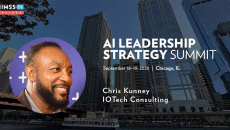
Chris Kunney of IOTech Consulting says that chief AI officers must unite clinicians, C-suite leaders, IT teams and frontline staff to understand and use AI to drive innovation and enhance care delivery.

Also, a startup from Melbourne has raised $1 million in pre-seed funding for its chemotherapy dosing AI.

The funds will be used to increase the company's development into new automated orthopedic indications and deploy its manufacturing model.

The company will use the funds to broaden its product line and boost recruitment.

The AI voice tool maker will power WellSky’s AI ambient listening to generate clinical notes within its EHR for behavioral health, long-term acute care and rehab facilities.
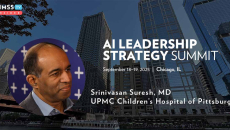
Dr. Srinivasan Suresh says the hospital implements AI tools slowly and responsibly, and only if they are brought forth by a clinician, which ensures they meet real clinical needs and can secure staff buy-in.

Eli Lilly and Company says the partnership will result in the development of the most powerful supercomputer owned by a pharmaceutical company.
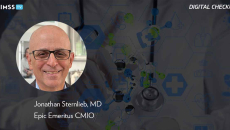
Creating strong healthcare IT teams, according to Dr. Jonathan Sternlieb, Epic Emeritus CMIO, comes from being willing to learn from others and from building communication, trust and respect with colleagues.