Clinical decision support
Also, an Indian sleep tech startup is headingo the United States after raising $3 million in seed funding.
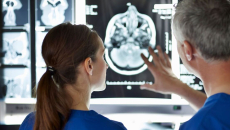
A neurologist's startup has developed a foundation model, based on 60,000 hours of brain wave records, which reportedly achieved 95% accuracy in identifying epilepsy biomarkers.
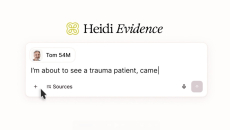
Rivalling OpenEvidence and DoxGPT, Heidi’s latest offering, Heidi Evidence, sets itself apart by allowing clinicians to upload their own sources and documents.
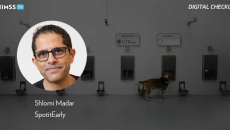
Shlomi Madar, CEO of SpotitEarly, discusses the company's noninvasive test using a breath sample, which is analyzed by specially trained dogs capable of identifying unique cancer-related scent signatures combined with AI technology.
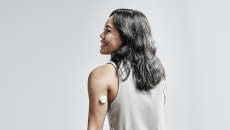
Extensive clinical validation and deployment are what remain to make it routine, according to University of New South Wales Scientia Professor Justin Gooding.

Dr. Michael Spaeder of the University of Virginia previews his upcoming HIMSS26 talk on using AI and machine learning to detect potentially catastrophic health events.
Also, Ubie is collaborating with Mayo Clinic on a new unified patient digital front door.
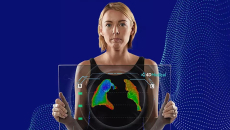
Also, Omniscient Neurotechnology has received $14 million in government-backed funding to scale its AI-based brain mapping platform.
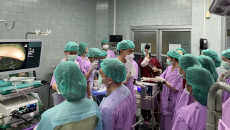
Deep GI project lead Dr Rungsun Rerknimitr reveals a three-year plan to validate and scale a deployable AI-powered diagnosis system beyond colorectal screening.
Also, digital gynaecology clinic Pinky Promise in India has raised $1 million in pre-seed funding.