Data and Information

PRET, developed at the Hong Kong University of Science and Technology, uses in-context learning to recognise 18 cancer types and complete new pathology tasks with a few annotated slides.
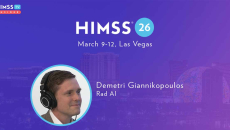
Rad AI CIO Demetri Giannikopoulos warns that AI regulations must be aligned across the United States to avoid cross-border differences in care and ensure consistent standards for patients and providers.
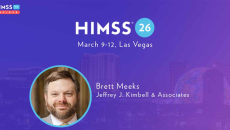
Policy Influencer Changemaker awardee Brett Meeks of Jeffrey J. Kimbell & Associates recommends that healthcare IT newcomers be open to change as AI and other technologies continue to develop.

The American Medical Association sent coordinated letters to House and Senate members raising concerns about chatbots pertaining to patient safety and public health.

The board is calling for the immediate suspension of the state's AI-enabled prescription renewal program, citing patient safety concerns and lack of clinical oversight.

Ambient AI relieves clinicians' cognitive burden by capturing visits and drafting patient notes so they can be fully present in the encounter and patients feel seen and heard, says Matt Troup, clinical strategy principal at Abridge.
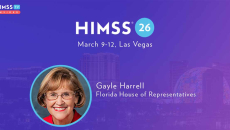
HIMSS26 Policy Influencer Changemaker Award recipient Gayle Harrell, Florida state senator, emphasizes that regulations on AI and other digital technology need to ensure that decision-making power remains with clinicians.

Sarah Hatchett, Cleveland Clinic CIO, explains that her team is evolving to not only offer technical support, but to help address adoption challenges and secure staff buy-in for new tools.

ChatGPT for Clinicians uses OpenAI's GPT-5.4 model and allows clinicians to earn CME credits.
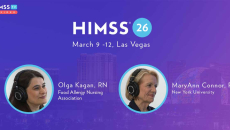
MaryAnn Connor, NYU adjunct informatics professor, and Olga Kagan, FANA CEO, recommend that healthcare organizations hold recurring cyberattack and outage drills to prevent care disruption when digital tools are not available.