Digital Health

Also, Lytus adds an AI-driven blood logistics platform to its health technology portfolio.

Georgia's Piedmont Healthcare leverages claims data, EMR data and predictive analytics to find patients who may need support to stay on their medication regimen, explains population health pharmacy program manager Melissa Robinson.

Curai patients will be referred to Rula’s network of mental health providers.

The funding comes on the heels of Carta Healthcare’s acquisition of Realyze Intelligence last year.

The announcement comes less than a year after Dexcom announced a strategic partnership and $75 million investment in the health-tracking ring maker.

Video data is being used for quality assurance and improvement while AI provides insights and information which helps physicians learn more about surgery, say Transform Health Partners' Dr. Peter Billing and Medtronic's George Murgatroyd.
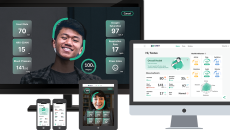
This follows the clearance for heart rate measurement on the FaceHeart mobile app in 2023.
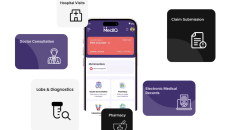
It offers end-to-end, AI-driven digital ecosystem solutions for hospitals and insurers.

Brad Smith is the third person in the world to receive Neuralink's brain-computer implant and the first person with ALS.

Via Datavant's data utility and privacy platform, Boehringer Ingelheim can evaluate data and streamline data discovery.