Life Sciences

The digital pharmacy will sell the newly FDA-approved weight-loss pill nationwide, allowing patients to pay through their insurance or in cash.

While HIMSS Media editors anticipate that AI will be used in every layer of healthcare's tech stack in 2026, they stress that governance and human oversight are essential to ensure AI works safely at scale.

Pharma faces regulations and stringent rules for transparency, but the payoff is drugs that can get to market faster and possibly at less expense.

Amgen, Bristol Myers Squibb, Boehringer Ingelheim, Genentech, Gilead Sciences, GSK, Merck, Novartis and Sanofi will sell medicines at a discounted price on TrumpRx.

Also, University of Queensland research has found ultrasound to be a safe approach to possibly treat symptoms of Alzheimer's disease in a world's first in-human trial.

Executives pointed to faster-than-expected AI adoption in healthcare, shifting regulatory signals and growing demand for AI tools that deliver measurable outcomes.

uMed’s registry platform will work alongside WellSky’s network of home-based care organizations to let patients participate in national clinical trials from home.
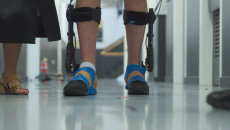
The Australian research, which aims to help people with motor neuron disease keep moving, is now testing AI to personalise assistance.

Alongside the acquisition, the two companies entered a multi-year partnership to cross-integrate their platforms, aiming to expand access to clinical trials.

Industry leaders say 2025 marked AI’s shift from hype to practical impact, though the technology remains unready for full-scale adoption and ongoing concerns about ethics and bias persist.