Machine learning
A new big data-based predictive model developed in Hong Kong enables more dynamic monitoring of six common cardiovascular diseases by capturing near-real-time biological changes.

The company's lab allows AI systems to create, evaluate and deploy new machine learning models with minimal human intervention.

VeriFact analyzes statements in AI-generated clinical text against patients’ EHRs to identify factual errors, achieving 93.2% agreement with clinicians.
The model can also make zero-shot predictions.

Early results show 70% accuracy of AI-assisted detection of unexplained male infertility using Asian IVF data.

A Google Cloud report revealed that 46% of healthcare executives say their organization is appropriating more than half of their future AI budget to AI agents.
About 300 million prescription records were used to train the AI to reveal drug safety issues and opportunities for repurposing medicines.

The round follows a $200 million seed raise earlier this year.
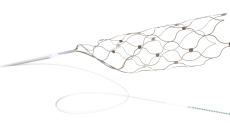
Synchron announced an ALS patient has become the first person to control an iPad using only his thoughts, thanks to a brain-computer interface and Apple’s BCI protocol.
The Focalist system aims to combine handheld robotics with real-time imaging to enable clinicians to place needles more precisely.