Operations
HIMSS24
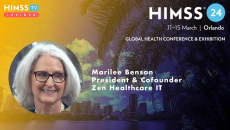
Marilee Benson, president and cofounder of Zen Healthcare IT, talks about how the company's interoperability product enables AI tools to access healthcare data needed for use cases such as identifying patients for clinical trials.

Eversana senior vice president of health innovation, Alberta Spreafico, discusses the company's collaboration with the Digital Therapeutics Alliance to analyze frameworks and map reimbursement pathways in Europe for digital health adoption.
HIMSS24
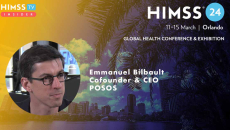
Emmanuel Bilbault, cofounder and CEO of POSOS, says the company's AI-driven international drug database's use of medication codes enables it to cross-reference EHR data and tailor prescriptions to meet a patient's specific needs.
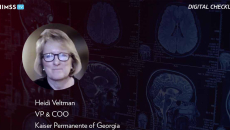
Kaiser Permanente Georgia VP & COO Heidi Veltman discusses how next-generation imaging can help create better outcomes by providing crisper scans and improving diagnostic visibility.
HIMSS24
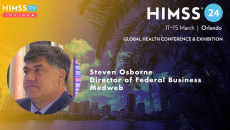
Medweb's director of federal business Steven Osborne discusses the company's global teleradiology networks that operate out of remote locations with poor communications infrastructure.
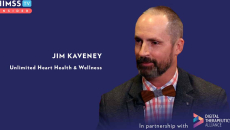
Unlimited Heart Health & Wellness founder Jim Kaveney discusses the platform he is developing for atrial fibrillation patients and their caretakers and his goal of partnering with patient advocacy groups, nonprofits and healthcare systems in the future.
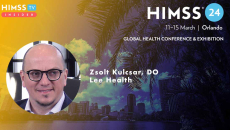
HIMSS24
Zsolt Kulcsar, Lee Health's systems medical director of virtual health, discusses his team's upcoming AI chatbot, which will contact patients with unusual RPM biometric readings to determine if alerting a nurse is necessary.

Healthcare attorney and partner at Holland & Knight Zubin Khambatta discusses the CMS final rule related to Medicaid managed care and its provisions adding new compliance guardrails regarding state-directed payments.
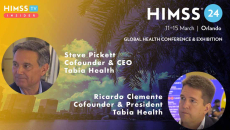
HIMSS24
Tabia Health cofounder and CEO Steve Pickett and cofounder and CTO Ricardo Clemente talk about applying what they learned about analyzing data to predict behavior in the oil and gas industry to their present work in digital health.

FinThrive SVP and CISO Greg Surla discusses why providers should not rely on single vendors in RCM environments and how the Change Healthcare attack was a watershed moment.