Patient Access

The new alliance adds to b.well's partnerships with OpenAI, Google and Samsung to unify and personalize AI-driven health answers using individuals' medical data.

The company will use the funds to enhance its platform, grow its workforce and expand partnerships with health systems to automate medication approval workflows.

AI-driven tools such as Cherish's device allow aging patients and those with cognitive decline to remain in their homes with ambient monitoring that requires no wearables or apps, says Sumit Nagpal, Cherish CEO and founder.
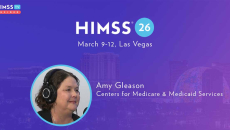
According to CMS' Amy Gleason, the agency is inspiring innovation by offering vendors the opportunity to develop secure, CARIN code-certified patient-facing apps. These apps will be made available via the Medicare.gov website.

The new Microsoft Copilot Health, which will be available through a phased rollout, is aimed at helping people better understand their health records and wearable data through AI analysis.
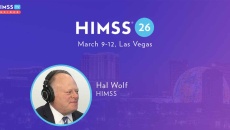
Proactive monitoring via wearables and at-home care can keep patients healthier longer, reducing inpatient stays and strengthening health outcomes by detecting anomalies earlier, explains Hal Wolf, HIMSS president and CEO.

Nadia Care will use the funds to expand access to its maternal care platform in the D.C., Maryland and Tennessee markets.
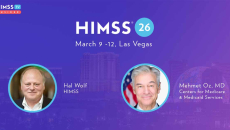
Hal Wolf, HIMSS CEO, and Dr. Mehmet Oz, CMS administrator, talk about how using digital tools, including AI agents, can help Americans manage their own care and stay healthier longer, potentially unlocking massive economic gains.

HIMSS Changemaker Awardee Farhana Alarakhiya discusses Afya Gemma, an AI-powered tool that provides best practice protocols with local context in English or Swahili for Kenyan doctors practicing in remote clinics.
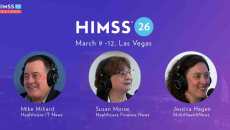
Discussions during HIMSS26's first day included advice for deploying AI in a responsible, human-centered way and questions about whether federal regulation can keep up with the pace of AI innovation.