Patient safety
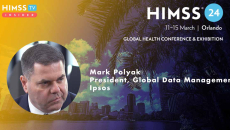
Mark Polyak, president of global data management at IPSOS, says LLMs can "talk" to patients about administrative tasks like scheduling, but bias and model compatibility must be addressed before clinical deployments.
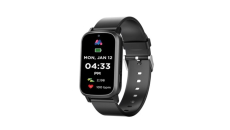
mCareWatch 241 aims to allow individuals who may need emergency assistance, like those with disabilities or senior citizens, to access the help they need quickly.

It has shown 96% accuracy in predicting fall risks in over 70,000 outpatients in Japan.
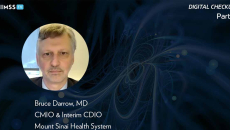
In part one of a two-part series, Dr. Bruce Darrow, Mount Sinai Health System CMIO and interim CDIO, relays how patients may gain confidence in relying on AI instead of doctors as accuracy of pattern recognition and predictive models improve.
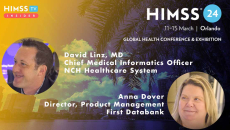
First Databank director of product management Anna Dover and NCH Healthcare System CMIO Dr. David Linz talk about exploring ways to notify clinicians about possible medication errors without overloading them and triggering burnout.
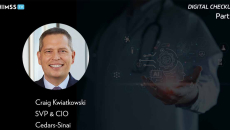
Cedars-Sinai CIO Craig Kwiatkowski discusses using the FAVES approach (fair, appropriate, valid, effective and safe) in genAI adoption, as well as the "build vs buy" question, and challenges with integrating AI technologies into existing systems.

The company's Dream Sock, which received FDA 510(k) clearance in November, gathers real-time health readings, including a baby's sleep trends and pulse rate.

Also, Clanwilliam has formally established its ANZ division.
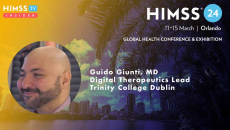
Dr. Guido Giunti, Trinity College Dublin's digital therapeutics lead, relays how the institution created a digital therapeutic for multiple sclerosis patients to fight fatigue and his journey to becoming a HIMSS Changemaker award recipient.
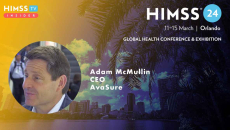
Adam McMullin, AvaSure CEO, discusses how hospitals can address workforce shortages and control costs by re-engaging retired nurses to boost patient safety and "bring back the joy" of nursing through serving as virtual nurses.