cybersecurity
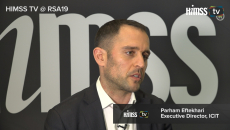
Parham Eftekhari, executive director of the Institute for Critical Infrastructure Technology, says hospitals have to demand more secure products so manufacturers wake up to realize prospective clients are buying based on security.
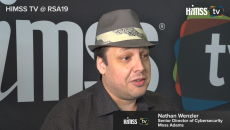
Nathan Wenzler, senior director of cybersecurity at Moss Adams, says the idea that AI needs no management simply isn’t true; instead, smart people are needed to make decisions about the data and findings.
Researchers noted transmissions of specific sensitive data, such as a user’s drug list, that could de-identify the user and be repurposed for commercial uses.
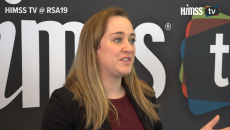
Maggie Brunner, program director of Cybersecurity, Emergency Communications & Technology with the National Governors Association, says healthcare CIOs can learn from state security strategies.

The worst-case scenario for a security leader is to lose the faith of users, according to Jason Johnson, information security officer at Marin General Hospital and HIMSS Northern California Chapter president-elect.
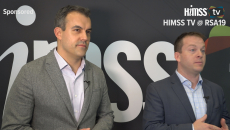
Mimecast’s Josh Douglas and Dino DiMarino discuss the health care industry’s unique security challenges, including a skills shortage and regulatory landscape, and how to meet those challenges.
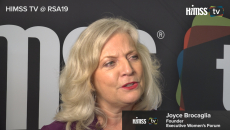
Joyce Brocaglia, CEO of Alta Associates and founder of Executive Women's Forum, sees a need to fill board of director seats with people with security skills as well as to diversify cybersecurity teams.
AI skepticism, challenges with diversity and workforce development, and how to incorporate agile tactics into cybersecurity best practices were the major themes at RSA, says Tom Sullivan, editor-in-chief of Healthcare IT News.
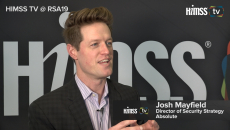
Josh Mayfield, director of security strategy at Absolute, warns that security controls on devices will predictably degrade through entropy and new care models are giving rise to emerging security threats.
Special Agent M.K. Palmore explains how healthcare organizations can get started working with the FBI cybersecurity team to tackle infosec threats.