Data and Information

Doug Meil, author of The Rise and Fall of Explorys and IBM Watson Health: A Personal Memoir of a Healthcare Moonshot that Misfired, discusses some lessons learned from that era, and offers perspective on where artificial intelligence may be headed next.

Next year will mark a turning point for AI in healthcare as the industry shifts from pilots and hype to accountable, integrated systems that prove to have measurable impact, according to execs.

Atropos Health CEO, Brigham Hyde, discusses the integration of Atropos' agentic AI agent into Microsoft Teams, helping clinical teams analyze patient information and clinical documentation during team meetings to support decision making.

The microbiome-based test carries US FDA Breakthrough Device status and is designed to rule out low-risk autism cases early with over 95% negative predictive value.
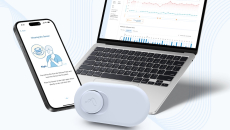
AeviceMD says it has yet to conduct pilot deployments, which would focus on incorporating respiratory monitoring into outpatient asthma management pathways.

The federal grants will support CranioSense’s development and validation of its non-invasive intracranial pressure monitoring device.

The financial health of hospitals and the financial experience of patients are concepts that are tethered together, says Andrew Bess, EVP at Ensemble.

According to Kevin Ritter of Altera Digital Health, health systems must go beyond simple information exchange to ensure their data is discrete, normalized and able to flow between multiple applications across the enterprise.

Executives pointed to faster-than-expected AI adoption in healthcare, shifting regulatory signals and growing demand for AI tools that deliver measurable outcomes.
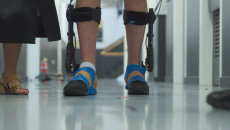
The Australian research, which aims to help people with motor neuron disease keep moving, is now testing AI to personalise assistance.