Data and Information
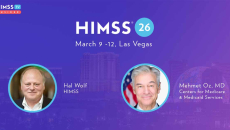
Hal Wolf, HIMSS CEO, and Dr. Mehmet Oz, CMS administrator, talk about how using digital tools, including AI agents, can help Americans manage their own care and stay healthier longer, potentially unlocking massive economic gains.
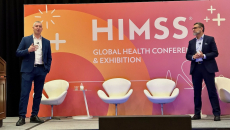
At HIMSS26, leaders from Emory Healthcare and Mass General Brigham discussed how initiatives like the Healthcare AI Challenge aim to help health systems make safer deployment decisions.
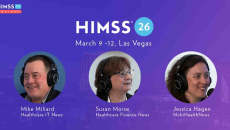
Editors from MobiHealthNews, Healthcare Finance News and Healthcare IT News review the sessions and keynotes they covered during the second official day of HIMSS26 as well as what they were looking forward to seeing on the final day of the conference.
Highlights from the second full day of HIMSS26 include conversations about how health systems can deploy AI, increase price transparency, find the right vendor partners and improve governance.

HIMSS Changemaker Awardee Farhana Alarakhiya discusses Afya Gemma, an AI-powered tool that provides best practice protocols with local context in English or Swahili for Kenyan doctors practicing in remote clinics.

At HIMSS26, Amazon One Medical announced the expanded release of Health AI that allows Amazon customers to utilize the chatbot for medical questions and connect with a One Medical provider, if needed.
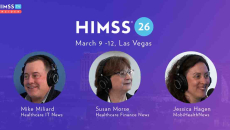
Healthcare IT News, Healthcare Finance News and MobiHealthNews editors discuss happenings from the first official day of HIMSS26, including the keynote speakers' thoughts about AI's future role in healthcare and how to master scaling and innovation.
HIMSS26 kicked off Tuesday in Las Vegas with informative keynotes and discussions on healthcare's hottest topics. Hear from HIMSS CEO Hal Wolf and catch some of the insights that leaders shared at the HIMSS TV Insider news booth.
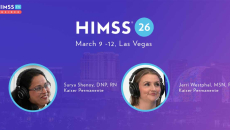
Kaiser Permanente's Surya Shenoy and Jerri Westphal say that intelligent AI agents can help provide patient education and post-discharge support, but stress that nurses must guide content creation to avoid misinformation.
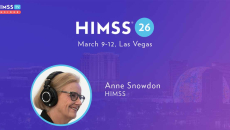
Anne Snowdon, HIMSS' chief scientific research officer, cautions that AI tools won't improve operations or care delivery unless the technology fits into existing workflows; clinicians and staff must also be trained in their use.