Rural and underserved communities

Dr. Robert Murry, chief medical officer at NextGen Healthcare, explains how digital health technology enables providers to conduct street medicine and coordinate care for patients who are homeless.

Wolters Kluwer Health CMO Dr. Peter Bonis discusses what was learned from donating UpToDate to middle- and low-income countries, including how access to evidence-based clinical guidance can reduce barriers, regardless of setting.

The organizations said Medicare Advantage members in 24 counties will have access to the rural provider's services.

The Digital Medicine Society partnered with digital health and pharma players like the FDA, Janssen, GSK, Medable and THREAD to build a toolkit aimed at improving diversity in digital research.

United Language Group's Leslie Iburg and Abigail Katz discuss the expiration of the federal public health emergency and what is needed to reach beneficiaries, including creating culturally relevant materials in multiple languages.
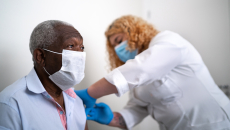
The funds will be used to add additional brick-and-mortar locations, recruit new healthcare providers and expand its technology platform.
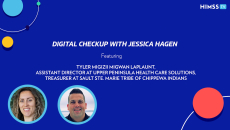
Tribal communities' health is impeded by dual problems: insufficient government funds and a lack of interoperability, which cause a deficiency of healthcare IT solutions, says Tyler LaPlaunt, assistant director at Upper Peninsula Health Care Solutions.
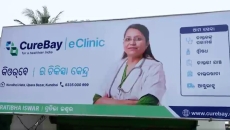
It plans to launch 100 more e-clinics in the next 12 months.

Ochsner Health Chief Digital Officer Dr. Denise Basow discusses the health system's remote monitoring pilot program for Medicaid patients with chronic conditions like hypertension and Type 2 diabetes.

The Wisconsin Department of Health Services plans to make reSET and reSET-O available through providers in outpatient settings.