machine learning

The company's lab allows AI systems to create, evaluate and deploy new machine learning models with minimal human intervention.
The model can also make zero-shot predictions.

The Health Tech Investment Act would establish a reimbursement pathway for FDA-cleared AI-enabled medical devices.
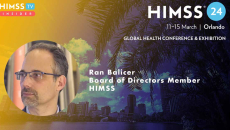
Ran Balicer, HIMSS board of directors member, talks about the possibility of clinical digital support technology to personalize care by helping clinicians predict potential health issues for patients so they can be prevented.
It uses a competitive learning approach against unlabelled data.

John Gaines, VP of marketing at Cohere Health, describes the challenges providers face in getting prior authorizations and how new CMS guidelines will speed up the process by mandating that it be done electronically.
Also, HeraMED is deploying its remote pregnancy monitoring solutions in a private practice in Perth.
The chief product and strategy officer at Project Ronin, Kathy Ford, talks about reality versus hype regarding AI in the healthcare industry.
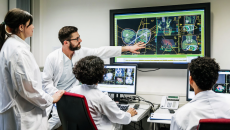
A review published in JAMA Network Open evaluated 41 RCTs of machine learning interventions. None of the studies fully followed CONSORT-AI standards, a set of guidelines developed for clinical trials evaluating medical interventions that include AI.
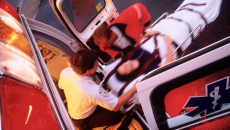
The study found a machine learning model detected traumatic intracranial hemorrhage with a sensitivity of 74% and a specificity of 75% using information collected before patients were transported to the hospital.