Medical devices
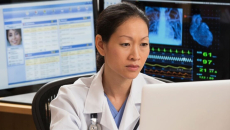
The vision language model-based software is the first to be approved under the Ministry of Food and Drug Safety’s gen AI guidelines.
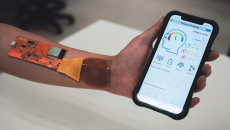
Engineers from the National University of Singapore plan to further develop the sensor to continuously monitor mental health conditions.
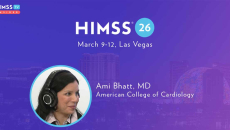
Rather than serving on advisory boards, experienced clinicians are needed to help develop wearables that align with real-world care delivery, according to Dr. Ami Bhatt, Chief Innovation Officer at the American College of Cardiology.
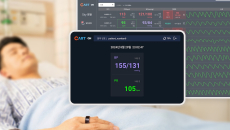
Sky Labs has introduced a BP ring for inpatients, helping reduce manual checks and improve data capture, as hospitals look to ease nursing workload.
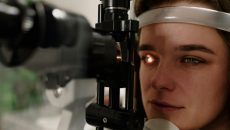
Mediwhale has recently raised $13 million in Series C funding, which will also support its entry into the United States market.
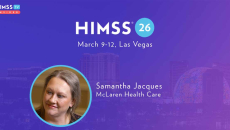
HIMSS-ACCE Changemaker Awardee Samantha Jacques, vice president of clinical engineering at McLaren Health Care, recommends that aspiring clinical engineers embrace technological change and continue to learn throughout their careers.

Also, Zydus has introduced two AI-enabled CGM devices in India.
This comes following the launch of its ad-free medical research tool.
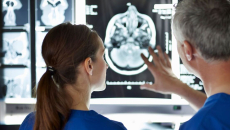
Chinese regulators have cleared a device that helps patients with severe paralysis restore hand movement.

AI-driven tools such as Cherish's device allow aging patients and those with cognitive decline to remain in their homes with ambient monitoring that requires no wearables or apps, says Sumit Nagpal, Cherish CEO and founder.